


How Aluminum Forges Solutions for Today's Toughest Façade Challenges
The complexity of modern architecture demands materials that are versatile, durable, and efficient. Aluminum has proven to be the go-to solution for tackling real-world challenges in façade design.
Challenge: Weight vs. Strength
Aluminum offers an unmatched strength-to-weight ratio, making it ideal for high-rise buildings where weight reduction is crucial without compromising structural integrity.
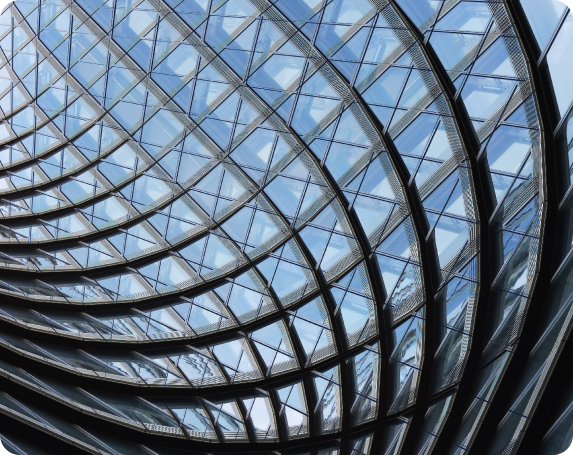
Engineers and architects often face the challenge of supporting expansive glass façades and large surface areas without overburdening the building’s structure. Aluminum’s low density allows for the creation of lightweight yet robust profiles, making it possible to achieve daring designs and taller buildings without the penalties of heavier materials.
This advantage not only supports innovative architecture but also contributes to easier transportation, handling, and installation, helping project teams achieve greater efficiency throughout the construction process.
Challenge: Corrosion Resistance
In coastal and harsh environments, aluminum’s natural resistance to corrosion ensures long-lasting performance and minimal maintenance costs.
Whether exposed to salty sea air or extreme temperature variations, aluminum’s oxide layer provides a built-in barrier against rust and degradation. Unlike other metals that require frequent treatment or painting to prevent deterioration, aluminum maintains its appearance and functionality with less upkeep. This resilience makes it especially valuable in regions with demanding climates or projects that prioritize low life-cycle costs.
Challenge: Aesthetic Flexibility
With endless design possibilities, aluminum adapts to both traditional and modern architectural styles, offering smooth finishes, intricate patterns, and bold curves.
Aluminum can be extruded, formed, and finished in countless ways, enabling architects to bring unique visions to life. Whether the goal is a minimalist, contemporary look or a more ornate façade, aluminum profiles can be customized with different textures, colors, and shapes. Powder coating, anodizing, and advanced fabrication techniques open up a palette of creative options, ensuring every project stands out for the right reasons.
Challenge: Energy Performance
Aluminum façades can be customized with thermal breaks and reflective coatings to enhance energy efficiency, reducing operational costs and environmental impact.
With increasing demand for energy-efficient buildings, aluminum systems are continually being refined. Thermal breaks, insulating materials built into profiles, help prevent heat transfer, while specialized coatings can reflect sunlight and reduce cooling loads. These enhancements allow building envelopes to perform exceptionally in terms of insulation, comfort, and sustainability, helping meet modern energy codes and green building certifications.
As façade engineering evolves, aluminum’s role continues to expand. Its compatibility with other materials, recyclability, and adaptability to new technologies, such as integrated shading or solar solutions, make it a future-ready choice for innovative building envelopes. Working with experienced partners like SAFC, clients can expect not just technical solutions, but façades that combine beauty, efficiency, and resilience for the lifetime of the building.